What Are Denture Teeth Made Of?
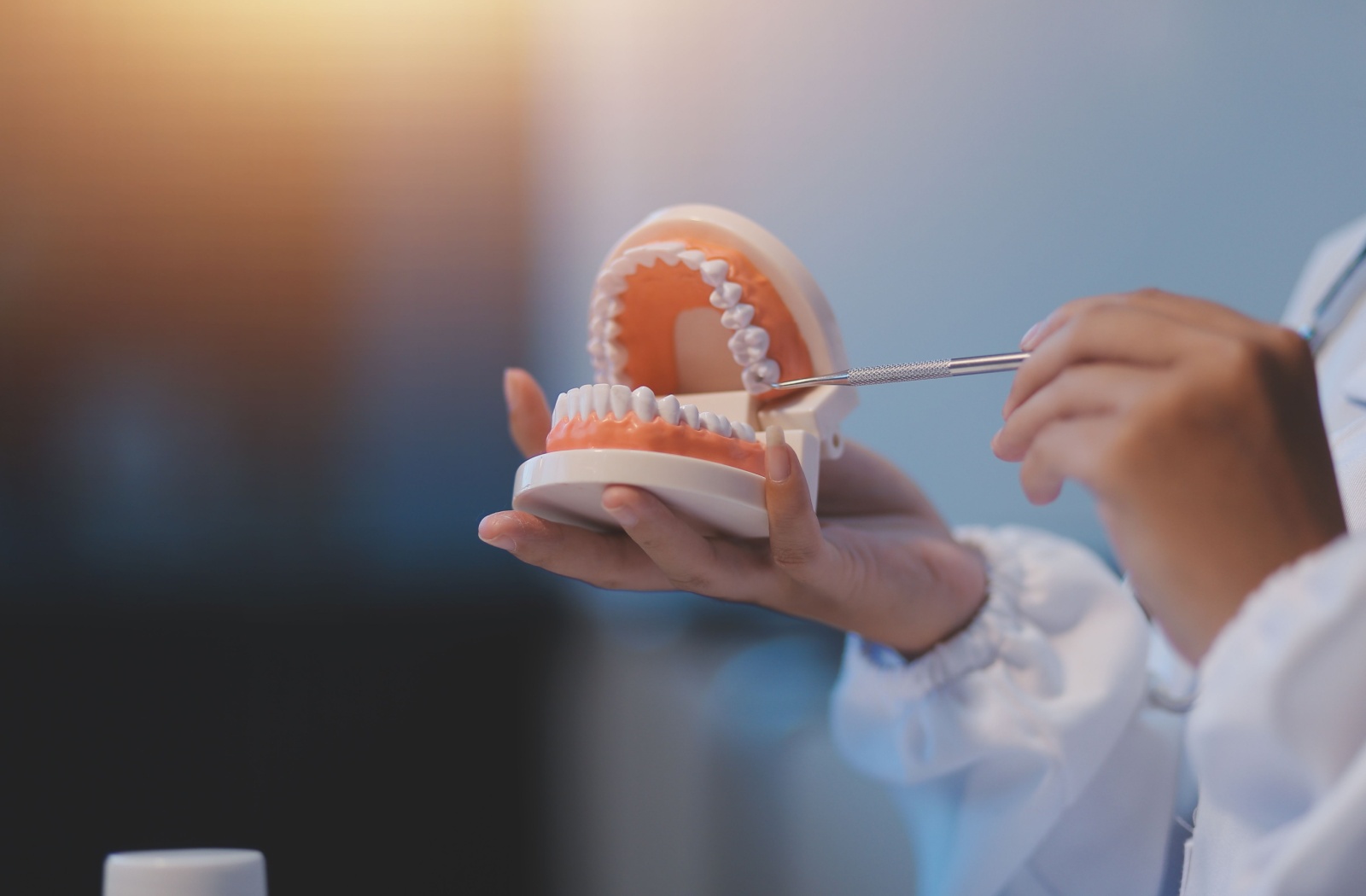
You have 2 primary material options for denture teeth: acrylic resin and porcelain, with each material providing distinct advantages for your daily comfort, appearance, and long-term value.
When considering dentures as an artificial tooth replacement, understanding these materials helps you make an informed decision about your oral health.
Denture Materials: Acrylic vs Porcelain
Acrylic Resin Teeth
Acrylic resin teeth offer several practical advantages for daily wear. They feel lightweight in your mouth and provide comfortable chewing for most foods.
Your denturist can adjust acrylic teeth during follow-up appointments. This flexibility helps create a better fit if your mouth changes over time.
- Lightweight and comfortable for daily wear
- Easy to adjust and repair
- More affordable option
- May wear down faster with heavy use
Porcelain Teeth
Porcelain teeth closely mimic the appearance of natural tooth enamel. They can maintain their colour and shine even after years of use.
These teeth resist staining from coffee, tea, and other foods that typically discolour dentures. However, porcelain can create more pressure on your remaining natural teeth if you have a partial denture.
- Natural appearance and colour stability
- Resistant to staining
- Harder and more durable
- Can cause wear on opposing natural teeth
How Material Choice Affects Your Daily Life
Eating & Chewing Comfort
Acrylic teeth often provide better shock absorption when you bite down on harder foods. Porcelain teeth offer stronger chewing power but can feel less forgiving against your gums.
Your eating habits help determine which material works better for you. Because tooth loss in older adults is linked to a higher risk of malnutrition, many people prefer durable porcelain restorations that allow them to comfortably enjoy tougher meats and crunchy vegetables.
Speech & Pronunciation
The weight and thickness of your denture material can affect how clearly you speak. Acrylic's lighter weight often feels more natural during conversation.
Both materials can help restore clear speech patterns. Your tongue adapts to either material within a few weeks of regular wear.
Appearance & Confidence
Porcelain teeth reflect light similarly to natural enamel, creating a more lifelike smile. Acrylic teeth still look natural but may appear slightly less translucent.
Both materials can be colour-matched to complement your skin tone and facial features. Your denturist can create a natural appearance with either choice.
Durability & Longevity of Different Materials
Expected Lifespan
Acrylic teeth typically last 5–8 years with proper daily care and regular dental visits. Porcelain teeth can serve you well for 10–15 years when maintained correctly.
Your individual wear patterns affect how long either material lasts. Heavy chewers may need replacements sooner, regardless of material choice, which is why proper denture care is essential.

Factors That Affect Wear
Your daily cleaning routine directly impacts how long your dentures maintain their appearance and function. Proper cleaning prevents buildup that can damage the material.
Grinding or clenching during sleep can significantly shorten the lifespan of either material. A night guard can help protect your investment, especially if you experience bruxism (teeth grinding and jaw clenching).
Cost Considerations for Denture Materials
Initial Investment
Acrylic denture teeth cost less upfront, making them accessible for most budgets. Porcelain teeth require a higher initial investment but can provide better long-term value.
The total cost includes not just the teeth but also the craftsmanship and fitting process. Quality construction affects how well either material performs, and fortunately, government dental care plans can cover eligible dentures and other major services.
Long-Term Value
While porcelain costs more initially, its longer lifespan can reduce your total investment over time. Acrylic's lower upfront cost appeals to people who prefer smaller, immediate expenses.
Replacement frequency varies between materials, affecting your long-term dental budget. Consider both immediate and future costs when making your decision.
Choosing the Right Material for Your Needs
Lifestyle Factors
Your daily activities and social commitments can influence which material serves you better. Active lifestyles often benefit from acrylic's lighter weight and comfort.
Consider your typical diet and eating preferences when choosing materials. Frequent travel or busy schedules may favour the durability of porcelain teeth.
- Activity level and social requirements
- Dietary preferences and eating habits
- Budget and financial planning
Professional Assessment
A qualified denturist can examine your mouth structure and discuss your lifestyle needs. This assessment helps determine which material suits your specific situation.
Your jaw strength, bite pattern, and remaining natural teeth all influence the material recommendation. Professional guidance helps you make an informed choice, and dental exams involve checking for various oral health issues that affect denture planning.
Smile with Confidence
At Hayven Dentures in St. Catharines, our team takes time to understand your individual needs and preferences. We help you select the material that provides the comfort and function you deserve for years to come. Schedule your consultation today to discuss which denture material option can help you smile with confidence again.