Can You Chew Gum with Dentures?
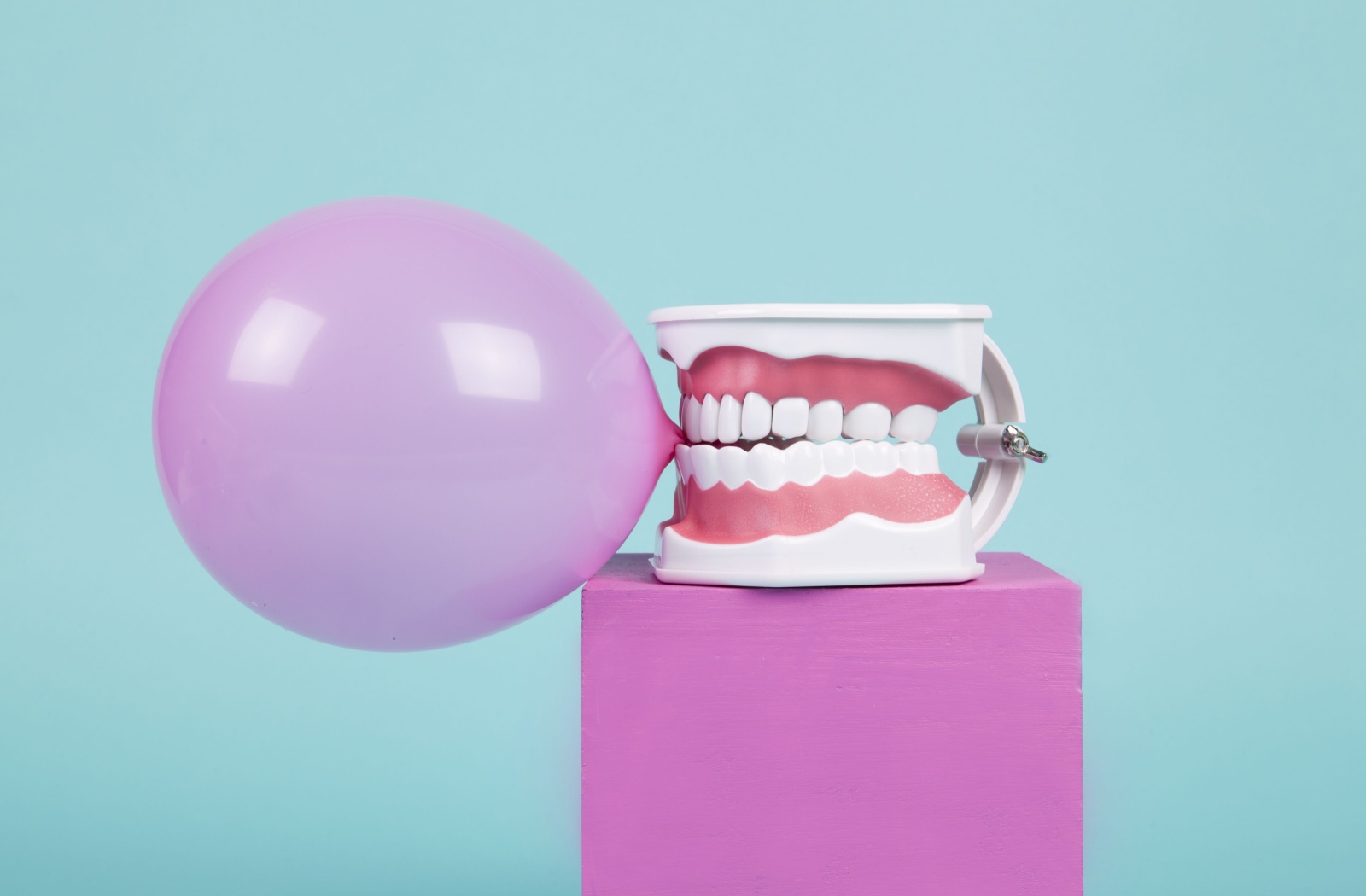
You’ve just gotten comfortable with your new dentures when someone offers you a stick of chewing gum. You may pause and wonder if you can accept, which is natural after adjusting to a new smile. This is a common question we hear from people trying to get back into a daily routine.
The good news is that you don't have to give it up entirely. You can chew gum with dentures, but it's important to choose the right kind and pay attention to how you chew to protect your appliance and follow proper denture care routines. A little bit of knowledge can help you enjoy this simple pleasure without any worry.
The Challenge of Gum & Dentures
Your dentures are custom prosthetics designed to fit snugly against your gums, often held in place by natural suction. This is particularly true for upper dentures. Regular chewing gum, with its sticky and sugary formula, can interfere with this fit. The constant stickiness can pull and tug at your dentures in ways that other foods don't.
How Stickiness Affects Fit
The main problem with most chewing gums is their adhesive quality. This stickiness can latch onto the surface of your denture, creating a pulling force with every chew. This might be strong enough to dislodge your appliance or make it feel unstable.
A secure and stable fit is the foundation of comfortable dentures. When you have well-fitting dentures, you can feel more at ease throughout your day. Sticky foods and gums can compromise that security and cause unnecessary frustration.
Risk of Damage & Wear
Beyond affecting the fit, the repetitive motion of chewing sticky gum can put extra stress on your dentures. This constant, uneven pressure might lead to faster wear on the acrylic base or the artificial teeth. Over time, this could cause small cracks or weaken the structure.
Dentures are durable, but they are not indestructible. Protecting them from undue stress helps them last longer and continue to look and feel great. Avoiding sticky substances is a simple way to care for your smile and your long-term oral health.
Choose the Right Gum for Denture Wearers
Thankfully, you don't have to avoid gum completely. Some companies make products with denture wearers in mind. By choosing the right gum, you can minimize the risks and chew with more comfort.
Look for Sugar-Free Options
Choosing sugar-free gum is always a good idea for your overall oral health. Sugar can get trapped in the small space between your dentures and your gums. This can irritate your gum tissues, potentially leading to issues or causing problems for any remaining natural teeth.
Sugar-free options use alternative sweeteners that don't contribute to these issues. This might make them a healthier choice for everyone, but especially for those who wear dentures. It can keep your mouth feeling fresh without the added risks of sugar.
Find Non-Stick Formulas
Some brands offer gum that may work better for denture wearers. You can often find these products labelled as "non-stick" or "denture-friendly," and some may even carry the Canadian Dental Association Seal of Recognition. Not all gums qualify, so checking with our team to see if they’ll work for you is a good idea.
Potential Risks When You Chew Gum
Even when you choose a denture-friendly gum, it’s wise to be aware of a few potential issues. If you experience any of the following, it might be a sign that something needs attention. Some things to look out for could be:
- Unstable or loose fit: If you hear a clicking sound or feel your dentures moving while you chew, they might be loose. A proper fit should feel secure during all normal activities.
- Damage to the denture: While less likely with non-stick gum, forceful chewing can still put stress on your appliance. This can lead to wear over a long period.
- Jaw soreness and discomfort: If your dentures don't fit perfectly, your jaw muscles may work harder to compensate. This can lead to muscle fatigue and soreness, often in your jaw, head, or neck.

Tips for a Better Chewing Experience
If you decide that you want to chew gum, a few simple habits can make the experience much safer and more pleasant. These tips can help reduce the pressure on your dentures and jaw:
- Start slow: Begin with just a small piece of denture-friendly gum. This lets you get a feel for the experience.
- Chew gently: Avoid the vigorous chewing you might have been used to. A slower, more deliberate motion is much kinder to your dentures and your jaw.
- Use both sides: Try to chew evenly on both sides of your mouth. This helps keep the pressure balanced and prevents your dentures from tilting or becoming unstable.
- Stop if it hurts: Your body is your guide. If you feel any pain, discomfort, or notice your dentures shifting, it’s often a good idea to stop and remove the gum.
When to Talk to Your Denturist
Your comfort and health are our team’s top priorities. If chewing gum (or any other food) makes your dentures feel loose or uncomfortable, it is a sign to schedule a visit. A well-fitting denture should feel stable and secure, allowing you to live your life without worry.
Let’s Find Your Fit
Our team of professional denturists in St. Catharines can examine your appliance and your mouth to identify the issue. These check-ups are key to long-term denture success, and often, a simple adjustment is all that is needed to restore a snug, comfortable fit. Our practices in the Niagara Falls area are here to make getting the care you need simple and convenient.
Don't let an improper fit keep you from enjoying everyday activities. At Hayven Dentures, we are here to help you at every step of your journey. Contact us today to book your new patient exam and let us help you get back to smiling from cheek to cheek.